
When it comes to succeeding in the workplace鈥攐r in school鈥攈ow well you communicate really matters. Communication is more than just speaking or writing clearly; it鈥檚 about sharing ideas, collaborating with others, and adapting your message to your audience. According to the (NACE), communication is one of the eight key competencies that form the foundation of career readiness:
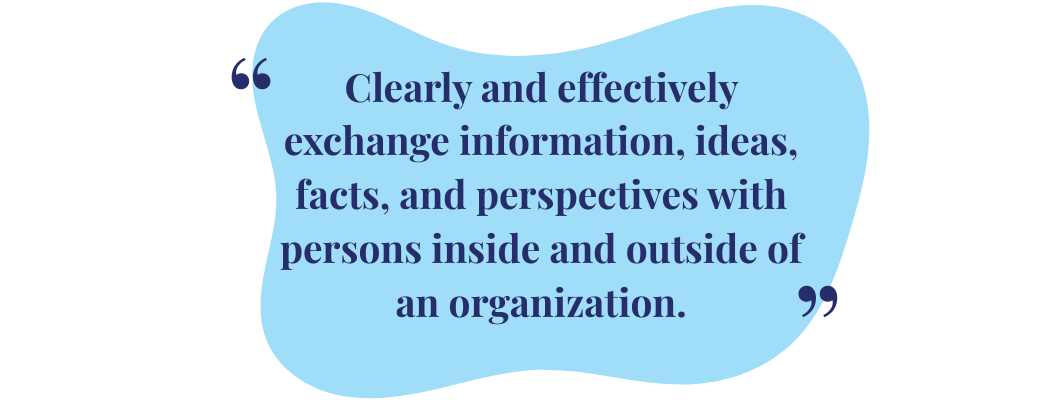
Whether you’re in a virtual classroom or a professional meeting, strong communication skills help you connect, solve problems, and build trust. It鈥檚 listed as one of the required skills in almost every job ad ever for a reason! Let鈥檚 take a closer look at NACE鈥檚 sample behaviors for good communication and how you can develop each one鈥攕tarting now.
听
Sample Behaviors and Real-World Applications
| Understand the importance of and demonstrate verbal, written, and non-verbal/body language abilities. |
鉃� |
In a virtual learning environment, you may not always have face-to-face interactions, but tone and clarity still matter. Consider how a message might be received differently when talking with someone in person compared to sending it in an email. Be mindful of how your writing comes across in emails, class discussions, and presentations. Make sure your message is respectful and easy to follow. In video calls or interviews, pay attention to eye contact, posture, and facial expressions鈥攅ven on Zoom, non-verbal cues count. |
| 听 | 听 | 听 |
| Employ active listening, persuasion, and influencing skills. |
鉃� |
Active listening involves giving your full attention鈥攏ot just waiting for your turn to speak. On discussion boards or in group projects, show engagement by asking thoughtful follow-up questions or paraphrasing what a classmate has said. Persuasive communication is also key: when you write a research paper or pitch an idea at work, think about how to support your points clearly, respectfully, and without personal bias. |
| 听 | 听 | 听 |
| Communicate in a clear and organized manner so that others can effectively understand. |
鉃� |
Start by knowing your audience. When emailing a professor or advisor, get to the point quickly and use subject lines that reflect your message. When writing papers, organize your ideas with an outline and use headings when possible. For presentations, make use of bullet points, visuals, and transitions to guide your listeners. |
| 听 | 听 | 听 |
| Frame communication with respect to diversity of learning styles, varied individual communication abilities, and cultural differences. |
鉃� |
Every workplace and classroom includes people with different perspectives. Learn to tailor your message to fit others鈥� needs鈥攚hether that means being mindful of jargon, slowing down your pace, or using visuals to support your message. If you鈥檙e working with a team member for whom English is a second language, or who uses accessibility tools, consider how your communication can be more inclusive. |
| 听 | 听 | 听 |
| Ask appropriate questions for specific information from supervisors, specialists, and others. |
鉃� |
A key part of effective communication is knowing when and how to ask questions. If you鈥檙e unsure about a deadline or need clarification on an assignment, don鈥檛 hesitate to reach out鈥攋ust be specific. Instead of saying, 鈥淚鈥檓 confused,鈥� try, 鈥淚鈥檓 unclear about the expectations for Part 2 of the assignment. Could you clarify?鈥� The more information you provide in your question, the more specific and helpful the answer will tend to be.听 |
| 听 | 听 | 听 |
| Promptly inform any relevant parties when needing guidance with assigned tasks. |
鉃� |
If you鈥檙e struggling to meet a deadline or need support, don鈥檛 wait until the last minute. Communicating early with professors, advisors, or coworkers builds trust and allows others to offer help or flexibility. In professional settings, being proactive and transparent shows responsibility and integrity. |
听
Where Students Practice Communication
At Aspen, you鈥檙e already building communication skills in real ways:
- Class discussion boards 鈥� Practice organizing your thoughts, responding to peers, and using a respectful tone.
- Written assignments 鈥� Develop your ability to structure arguments, support your ideas with evidence, and explain complex topics clearly.
- Presentations 鈥� Practice speaking and visual storytelling.
- Group projects 鈥� Learn to delegate tasks, resolve conflict, and collaborate across time zones.
- Emails to instructors and staff 鈥� Hone your professional tone, clarity, and etiquette.
听
Communication Tips from @advicewitherin
Content creator and professional mentor Erin McGoff often shares reminders about keeping communication simple and intentional. A few of her go-to strategies include:
- Use subject lines that matter 鈥� 鈥淨uick Question About Assignment 3鈥� is more helpful than 鈥淗i.鈥�
- Be brief, but thorough 鈥� Say what you need to say in a few clear sentences.
- Never send angry emails 鈥� If you鈥檙e upset, wait a few hours, then write your message with a level head.
- Proofread before hitting send 鈥� Typos may not seem like a big deal, but in academic and professional contexts, they matter.
Here are some specific communication tips straight from Erin鈥檚 weekly newsletter:
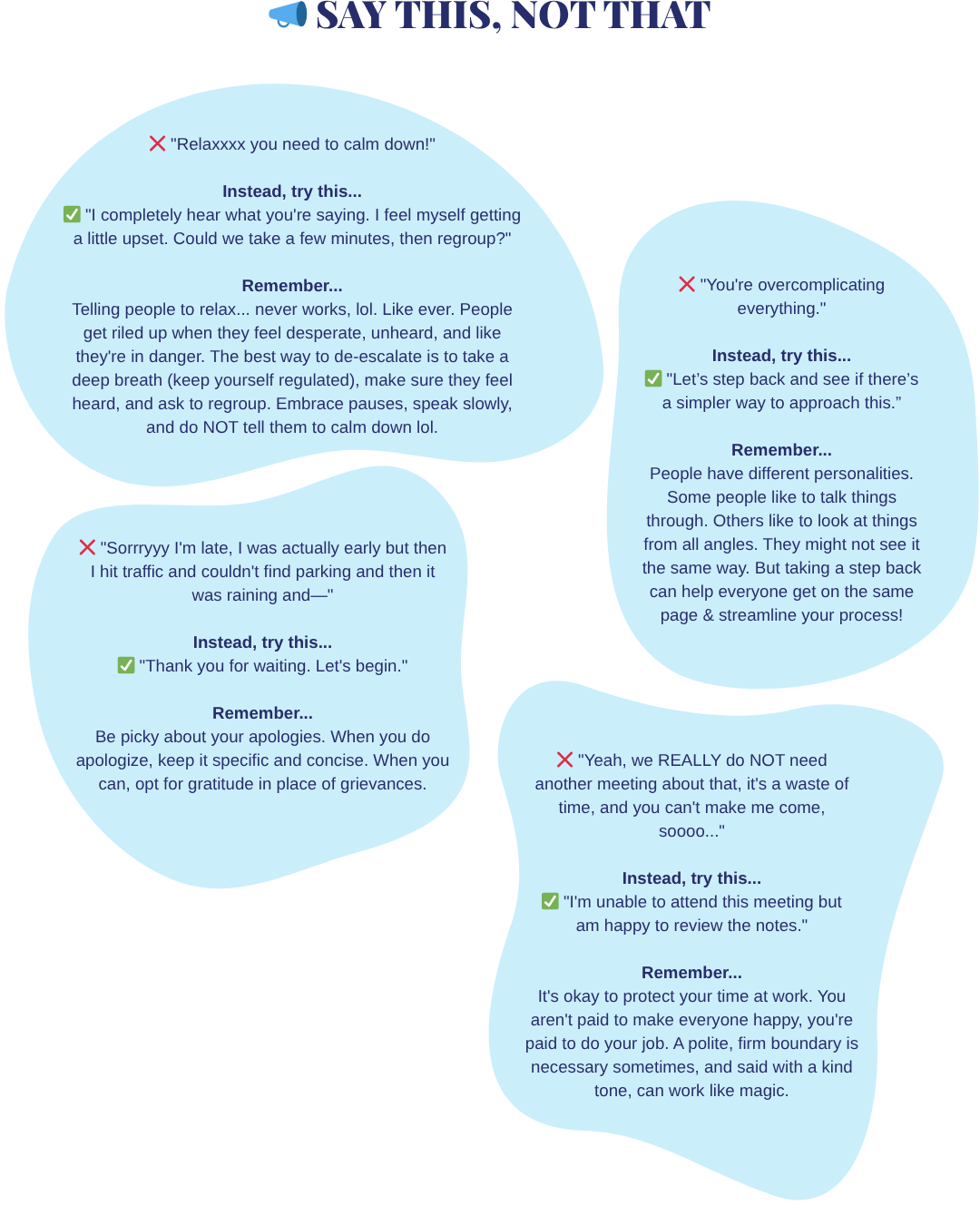
For more from Erin, visit her and !
听
Additional Resources
- ~ in this webinar, Aspen faculty member Negean Mohi breaks down all the essentials for communicating effectively with instructors and in papers.
- ~ a webinar in which Graduate Partnership Liaison Dr. Nina Beaman discusses communicating with assertiveness rather than aggression.
- The Elements of Style with Dr. Nina Beaman ~ another writing deep-dive with embedded videos covering the classic writing guide by Strunk & White.
听
Practice makes progress! Effective communication takes practice, and college is the perfect place to start. By actively developing this skill, you鈥檙e not just preparing for your next class鈥攜ou鈥檙e preparing for your next role, team, or career move. Aspen is here to support your growth. Explore our programs to take the next step in your journey. Learn more and !
Jump to the other Career Readiness Competencies:
Overview
Career & Self Development
Communication
Critical Thinking
Equity & Inclusion
Leadership
Professionalism
Teamwork
Technology