
The third post in our Career Readiness series focuses on one of the most essential workplace skills: Critical Thinking. Whether you鈥檙e managing a complex project, solving a problem in real time, or evaluating information to make informed decisions, critical thinking is the ability that helps you respond with logic, care, and confidence. As defined by the (NACE), critical thinking is the ability to:
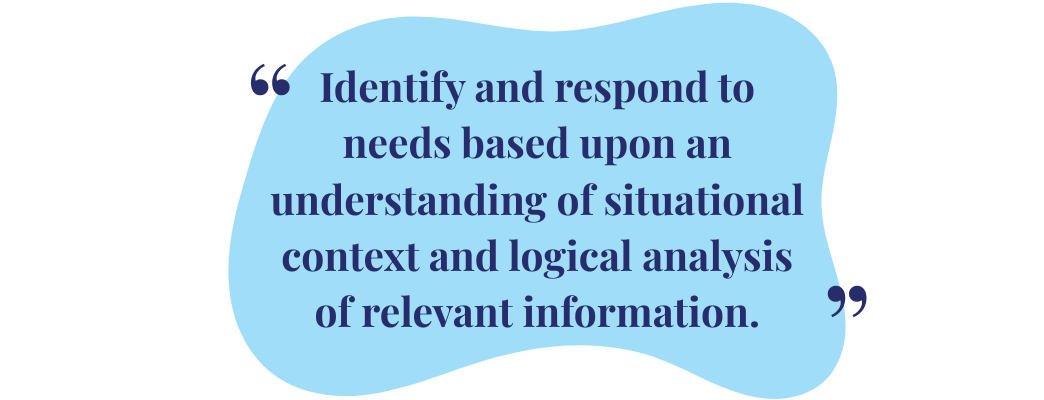
Critical thinking shows up in more places than you might expect, especially in your academic journey. Let鈥檚 explore what this competency looks like in action, with examples inspired by NACE鈥檚 sample behaviors.
听
Sample Behaviors and Real-World Examples
| Make decisions and solve problems using sound, inclusive reasoning and judgment. |
鉃� |
In your coursework, this might mean evaluating a discussion topic from multiple perspectives, supporting your argument with credible sources, or identifying a gap in logic. Inclusive reasoning also means considering the impact your choices have on others鈥攁n essential quality in both academics and leadership. |
| 听 | 听 | 听 |
| Gather and analyze information from a diverse set of sources and individuals to fully understand a problem. |
鉃� |
Research papers and projects in your program require exactly this skill. You likely already compare academic texts, peer-reviewed articles, case studies, and real-world examples. You鈥檙e not just collecting facts鈥攜ou鈥檙e weighing them, looking for bias, and connecting the dots. |
| 听 | 听 | 听 |
| Proactively anticipate needs and prioritize action steps. |
鉃� |
When juggling assignment deadlines, work obligations, and personal responsibilities, students must learn to prioritize tasks strategically. Tools like to-do lists, digital planners, and time-blocking apps can help you stay on track. |
| 听 | 听 | 听 |
| Accurately summarize and interpret data with an awareness of personal biases that may impact outcomes. |
鉃� |
Whether you鈥檙e writing a paper based on survey data or interpreting statistics in a case study, you鈥檙e already practicing this. Critical thinkers stay aware of how their assumptions might shape interpretation鈥攁nd make room for new perspectives. |
| 听 | 听 | 听 |
| Effectively communicate actions and rationale, recognizing the diverse perspectives and lived experiences of stakeholders. |
鉃� |
When you explain your reasoning in a discussion board or justify your conclusions in a paper, you鈥檙e practicing this. It鈥檚 not just about what you decided鈥攊t鈥檚 how you arrived there, and being open to feedback or counterarguments. |
| 听 | 听 | 听 |
| Multi-task well in a fast-paced environment鈥攁nd recognize when your environment isn鈥檛 conducive to your goals. |
鉃� |
Online learners, especially adult students, are often balancing school, work, and family. It鈥檚 the ultimate multi-tasking challenge! It鈥檚 also important to recognize distractions, set boundaries, and adapt your environment (like using noise-canceling headphones or studying in a library) when needed. |
听
Tools and Techniques to Strengthen Critical Thinking
You don鈥檛 have to wait for a big decision to flex your critical thinking muscles. Try these techniques that support both your academic success and professional development:
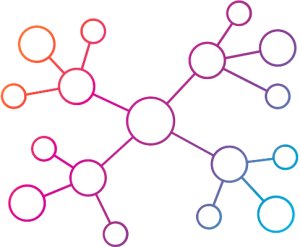 |
Mind Mapping: Visualize ideas and connections when brainstorming or outlining an assignment. This helps you spot gaps and organize thoughts more clearly. Visit for more details on how to mind map, its various uses, and examples. |
| Socratic Method: Ask yourself deeper, layered questions like 鈥淲hat evidence supports this claim?鈥� or 鈥淲hat other perspectives might exist?鈥� |
 |
 |
SWOT Analysis: Especially useful in business or project management courses, this tool helps evaluate Strengths, Weaknesses, Opportunities, and Threats related to a problem or idea. from Pepperdine Graziadio Business School |
Critical Thinking in Your Online Program
Every course in your academic journey gives you a chance to practice critical thinking鈥攚hether it鈥檚 through:
- Analyzing a case study
- Weighing different approaches in discussion forums
- Searching for, selecting, and synthesizing multiple sources for a research paper
- Reflecting on feedback from instructors and applying it to your next assignment
- Scheduling time for studying around work and familial obligations
These academic experiences translate directly to the workplace, where employers value people who can solve problems thoughtfully and efficiently.
听
Ready to build your career-ready skills? At 糖心logo, our degree programs are designed to help you develop critical thinking and the other career readiness competencies employers value most. If you鈥檙e ready to grow your skills and reach higher ground, explore our programs and !
Jump to the other Career Readiness Competencies:
Overview
Career & Self Development
Communication
Critical Thinking
Equity & Inclusion
Leadership
Professionalism
Teamwork
Technology